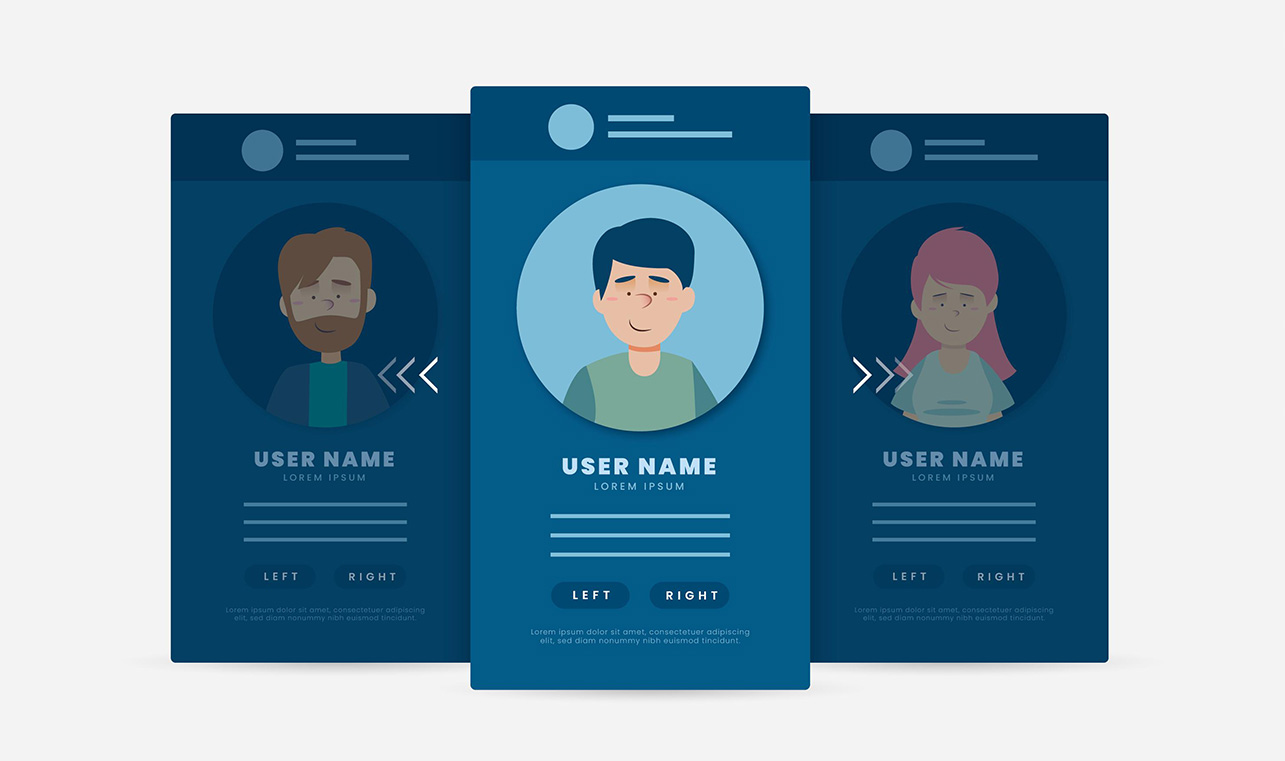
Learner Profiles
Learner profiles are a crucial feature in software designed for websites, particularly in platforms focused on customer relationship management (CRM), e-commerce, or personalized user experiences. They represent a comprehensive record of individual learners or users, capturing essential information that can be used to tailor services, improve customer satisfaction, and drive business growth.
Key Components of Learner Profiles
-
Personal Information
- Name: The full name of the learner.
- Contact Details: Email, phone number, and other communication channels.
- Address: Physical address, including billing and shipping details if relevant.
- Demos: Age, gender, occupation, and other demo details.
-
Account Information
- Username: The learner's unique identifier on the platform.
- Account Creation Date: When the learner joined the platform.
- Security Settings: Password, two-factor authentication, and other security measures.
-
Interaction History
- Purchase History: Detailed records of all transactions made by the learner.
- Service Usage: Insights into how the learner uses the platform or service.
- Support Tickets: Records of any issues or queries raised by the learner, including resolutions.
- Communication Logs: Emails, chats, and other interactions between the learner and the company.
-
Financial Information
- Payment Methods: Credit cards, PayPal accounts, or other payment options stored by the learner.
- Billing History: Invoices, payment statuses, and any outstanding balances.
- Subscription Details: Information on active or past subscriptions, including renewal dates.
-
Analytical Insights
- Learner Value: Lifetime value (LTV), average order value (AOV), and other key metrics.
- Segmentation Tags: Categories or tags used to group learners for targeted marketing or analysis.
- Engagement Scores: Metrics indicating the learner’s engagement level, such as frequency of interactions.
Benefits of Learner Profiles
- Personalized Experience: By understanding a learner’s preferences and behavior, businesses can offer personalized recommendations, improving the overall user experience.
- Improved Customer Service: Having a detailed history of interactions and purchases enables customer service teams to address issues more efficiently and effectively.
- Targeted Marketing: With insights into learner demo and behavior, marketing campaigns can be more precisely targeted, increasing their effectiveness.
- Enhanced Loyalty Programs: Learner profiles help in designing loyalty programs that resonate with users, based on their past behavior and preferences.
Implementation Considerations
- Data Privacy and Security: Ensure compliance with data protection regulations like GDPR. Secure sensitive information with encryption and robust access controls.
- User Consent: Obtain explicit consent from learners before collecting and using their data, especially for marketing and personalized content.
- Data Accuracy: Implement mechanisms to keep learner profiles up-to-date, such as automatic updates from interactions or self-service options for learners to update their information.
- Integration: Ensure that learner profiles are integrated with other systems (e.g., CRM, email marketing, analytics tools) for a seamless flow of information and better decision-making.
Conclusion
Learner profiles are a vital asset for any business operating a website, enabling a deeper understanding of learners and fostering stronger relationships. When implemented effectively, they can drive higher engagement, improve customer satisfaction, and ultimately lead to greater business success.